

Trained Before the Title: How Oxygen Prepared Daria Pozharko to Step Into Management at the Human Rights Foundation
Most managers get the title first and the training later, if it comes at all. Daria Pozharko did it in reverse. She went through Oxygen's Management Essentials while still a coordinator at the Human Rights Foundation, already leading a team, and stepped into her manager role with the tools in hand. Here's what changed, in her words.

I Didn't Think This Was For Me: How a Seasoned Manager Found the Magic in Management Essentials
Rico Gardaphe has led teams for more than two decades. When his company rolled out Oxygen's Management Essentials, he figured his job was to nominate the new managers, not to attend. Then he saw his own name on the list, and absolutely fell in love with it. Here's why.
Why Training Is the Real Growth Engine in Franchising: A Q&A with Hunter Stokes of Franchise.com
Franchise systems live and die on consistency, but that consistency depends on something most systems overlook: whether owners, operators, and managers are actually trained to lead. Hunter Stokes, President of Franchise.com, sat down with us to talk about why manager training is the real growth engine in franchising, what the leadership gap quietly costs a brand, and what good training actually looks like at the unit level.
Interview with Scott Levenson, CEO of Private Prep
Off-the-shelf training rarely moves the needle, whether you're prepping a student for a test or developing a manager for a bigger role. In our conversation with Scott Levenson, CEO of Private Prep, he makes the case for why personalization isn't a luxury but a necessity: real progress happens in the relationship, when someone understands exactly how you learn and meets you there. Here's what any leader serious about developing their people can take from how Private Prep approaches the work.
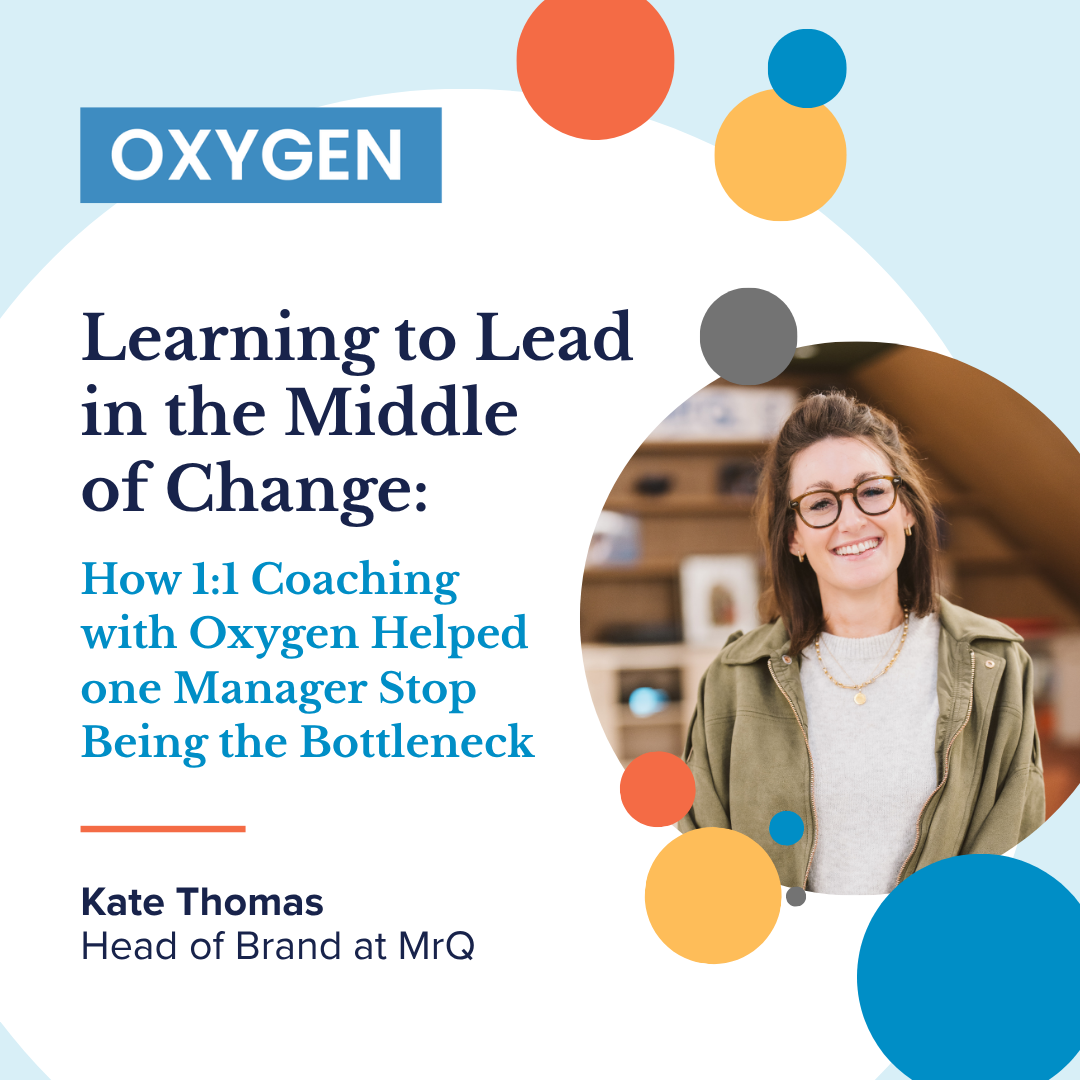
Learning to Lead in the Middle of Change: How 1:1 Coaching with Oxygen Helped one Manager Stop Being the Bottleneck
When Kate Thomas became Head of Brand at MrQ, everything was in motion: a new C-suite, a restructure, a brand refresh, and a team she was building from scratch. She'd managed people before but had never been taught to lead. Here's how 1:1 coaching with Oxygen changed how she decides and delegates.
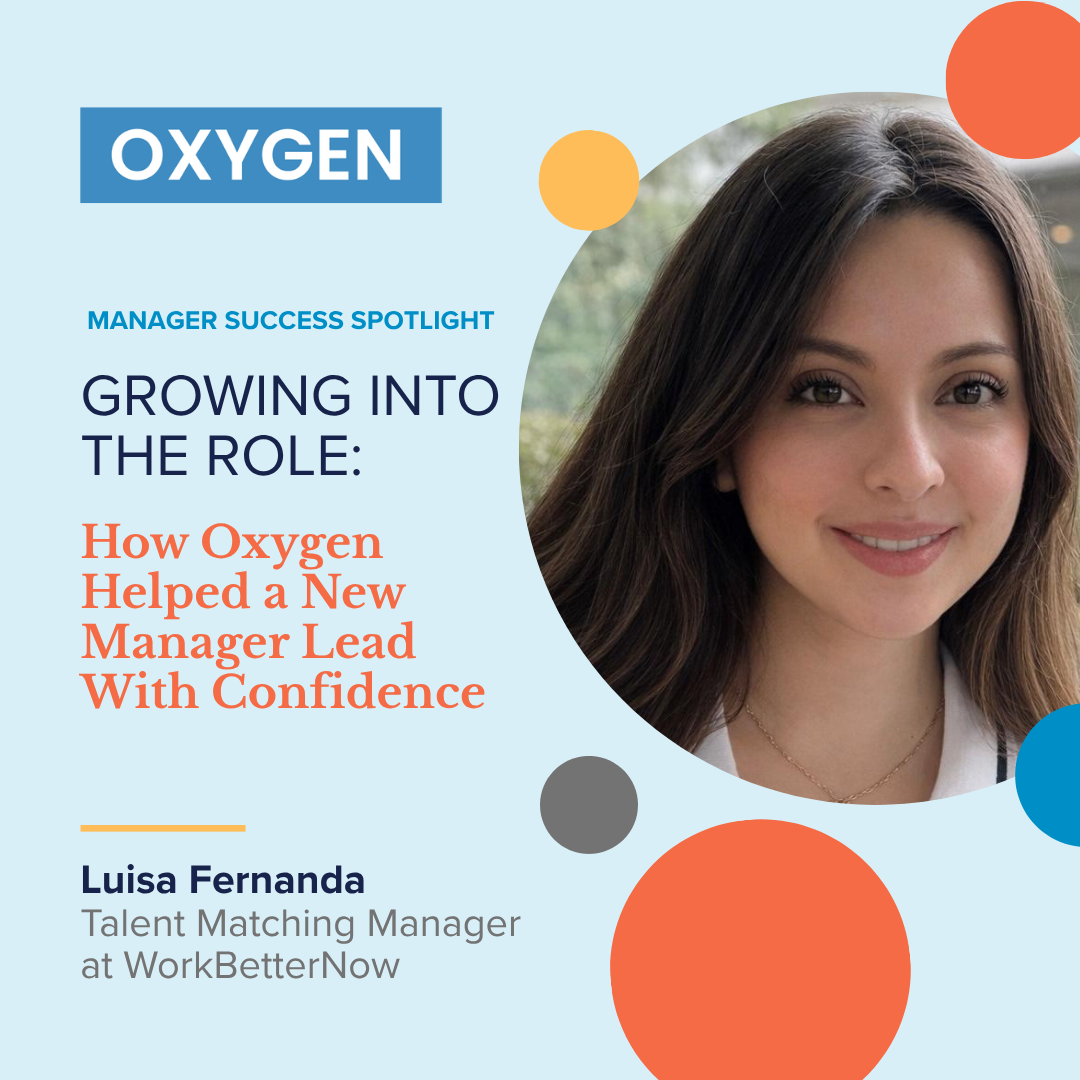
Growing Into the Role: How Oxygen Helped a New Manager Lead With Confidence
When Luisa Fernanda was promoted to Talent Matching Manager at WorkBetterNow this January, she was already partway through Oxygen's Management Essentials. That timing changed everything. See how a first-time manager built the confidence to hire with clarity, coach a struggling team member into real growth, and lead her team through a season of change.

We Promote People Into Management and Pretend Nothing Happened
We treat a management promotion as a finish line: an announcement, a round of congratulations, a celebratory lunch. Then the real support stops at exactly the point it should begin. Becoming a manager is one of the biggest identity shifts of a career, and the strongest individual contributors often struggle most. Here's why, and what it looks like to carry people across the transition instead of just wishing them luck.
From Researcher to Manager: How Oxygen Turned Good Instincts Into Real Tools
Kristen Clemens went from researcher to managing a dozen people almost overnight—with strong instincts but no formal toolkit. She isn't unusual: nearly 60% of new managers get no training before stepping into the role. See how Oxygen's Management Essentials program turned her general sense of "what makes a good manager" into concrete frameworks for accountability, feedback, and managing up—and why she now calls manager training a retention strategy.

Why Good Employees Become Bad Managers (And How to Stop Creating Them)
Companies often assume that success as an individual contributor automatically translates into management success. But without training, new managers fall back on what they know best: doing the work themselves.
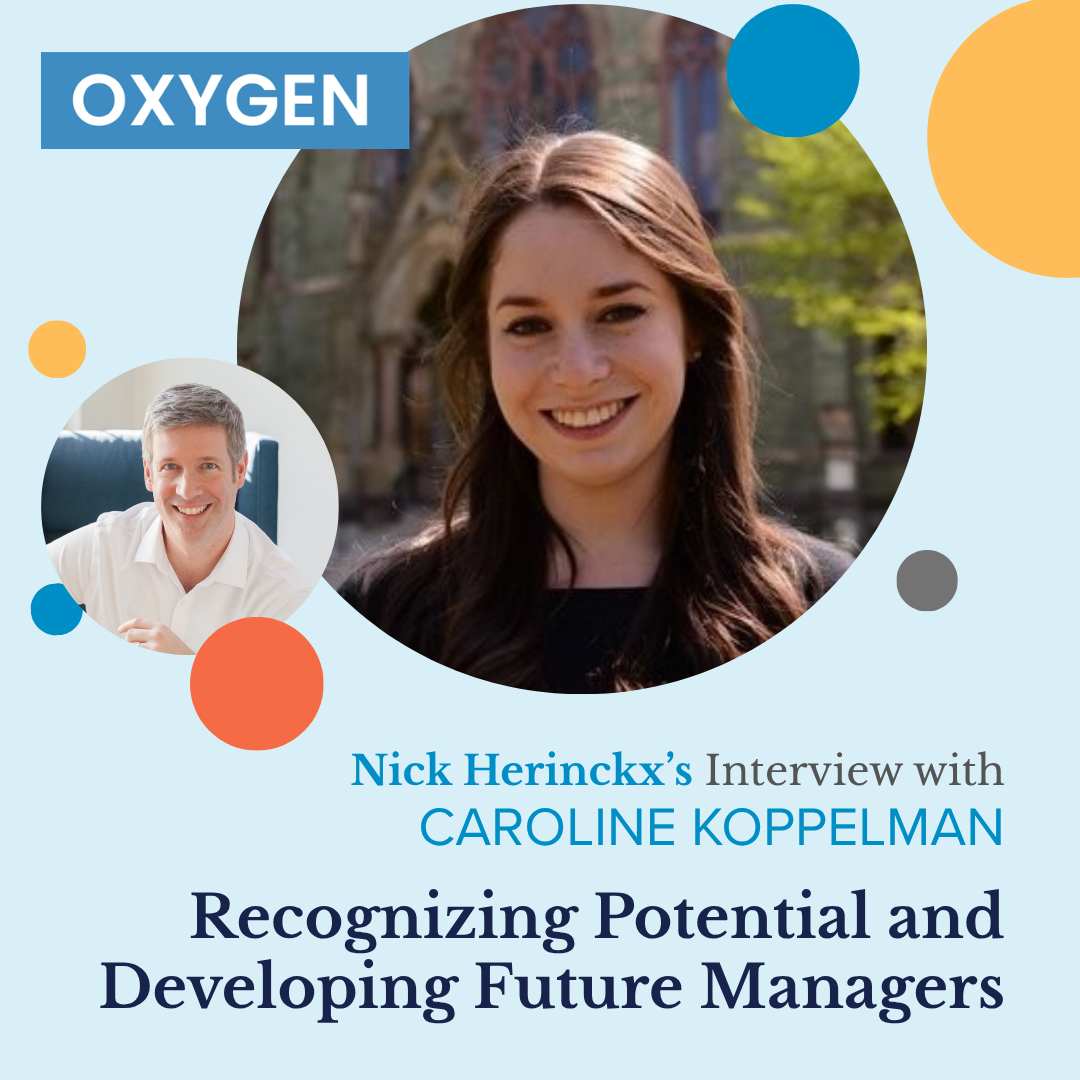
Interview: Caroline Koppelman on Recognizing Potential and Developing Future Managers
What can competitive college admissions teach us about leadership development? Caroline Koppelman shares insights on spotting potential, mentorship, and growing future leaders.
Why Managers Struggle with Execution: The Hidden Skills That Drive Follow-Through
Learn how executive function impacts manager performance, execution, and burnout, and why stronger cognitive systems lead to more consistent leadership results.

Introducing Toby: How AI Helps Managers Practice the Hardest Parts of Their Job
Toby is Oxygen's AI course companion for manager training. Trained on Oxygen's proprietary curriculum, Toby gives managers a private, 24/7 way to rehearse tough conversations, apply frameworks, and build real skills between sessions.
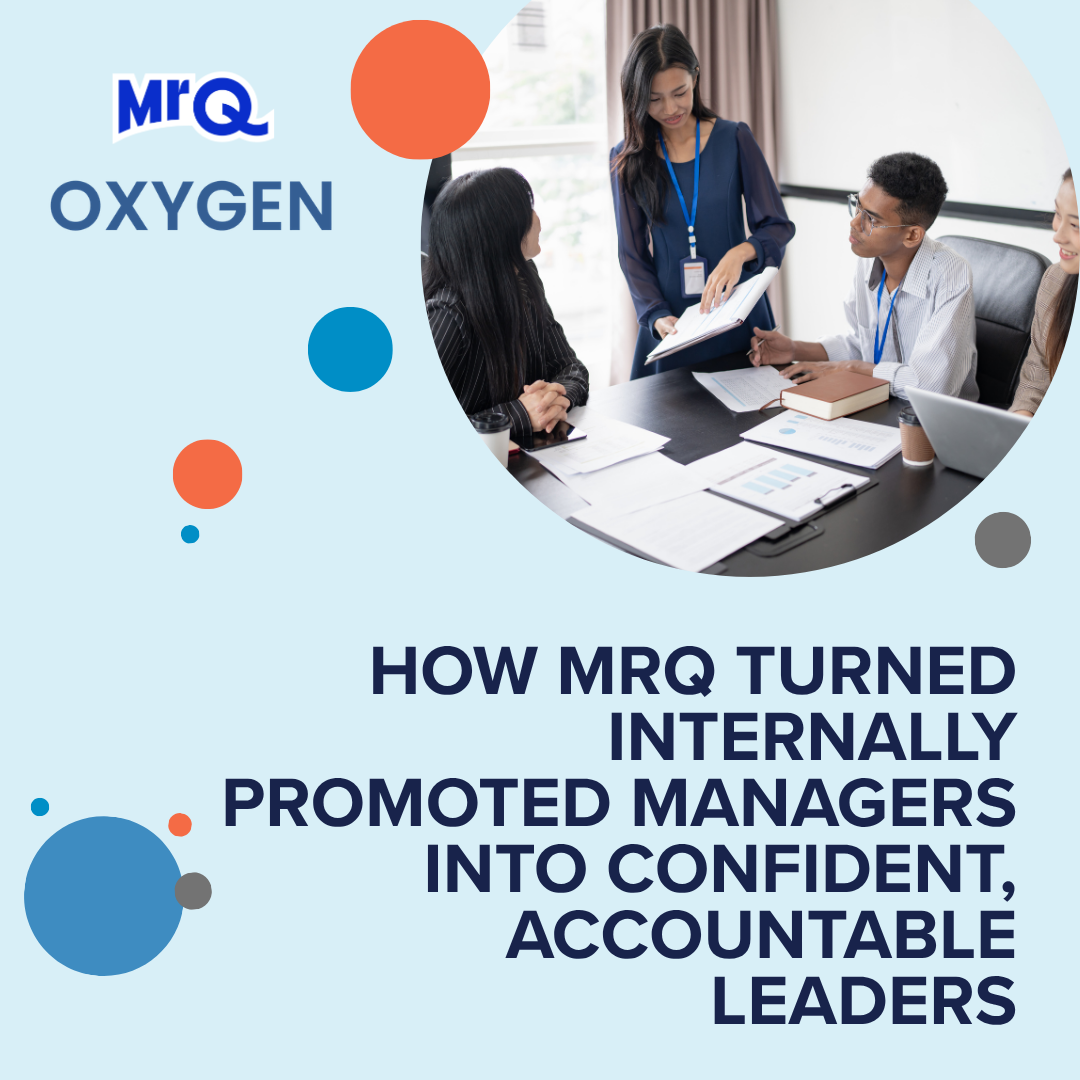
How MrQ Turned Internally Promoted Managers Into Confident, Accountable Leaders
MrQ scaled from 80 to 180+ employees by promoting from within, but their best performers didn't have the tools to manage. A three-phase approach combining Management Essentials, internal enablement, and Growth Groups created measurable shifts: "Excellent" ratings for delegation jumped from 4% to 22%, and difficult conversations moved from 0% to nearly 17%. Here's how they built a development program that turned awareness into lasting behavior change.
Managers Are Becoming AI Enablers…But Human DNA Still Runs the System
There's a popular narrative that AI will replace managers. But if AI could replace them, it would mean managers were never doing the job they were meant to do. AI can automate outputs and accelerate insight. What it can't do is help humans navigate change, build trust, or perform under pressure. As AI reshapes work, the real constraint won't be technology. It will be whether your managers are equipped to lead humans alongside it.

How ACS South Built Better Managers Through Cohort-Based Training
ACS South, a 140-person flooring installation company, was promoting top performers into management roles without formal training—a common pattern in growing organizations. While their managers were strong executors, many struggled with feedback, delegation, and difficult conversations. Previous multi-day workshops created inspiration but not lasting behavior change.
Through Oxygen’s six-month, cohort-based Management Essentials program, ACS South took a different approach to manager development. The structured, peer-driven experience gave managers practical tools they could apply immediately—while building confidence, accountability, and a cross-industry support network.
The results were measurable: fewer HR escalations, stronger performance reviews, more effective 1-on-1s, and managers who took greater ownership of their teams.
This case study explores why traditional manager training often falls short—and how a cohort-based model can drive real, sustainable change.
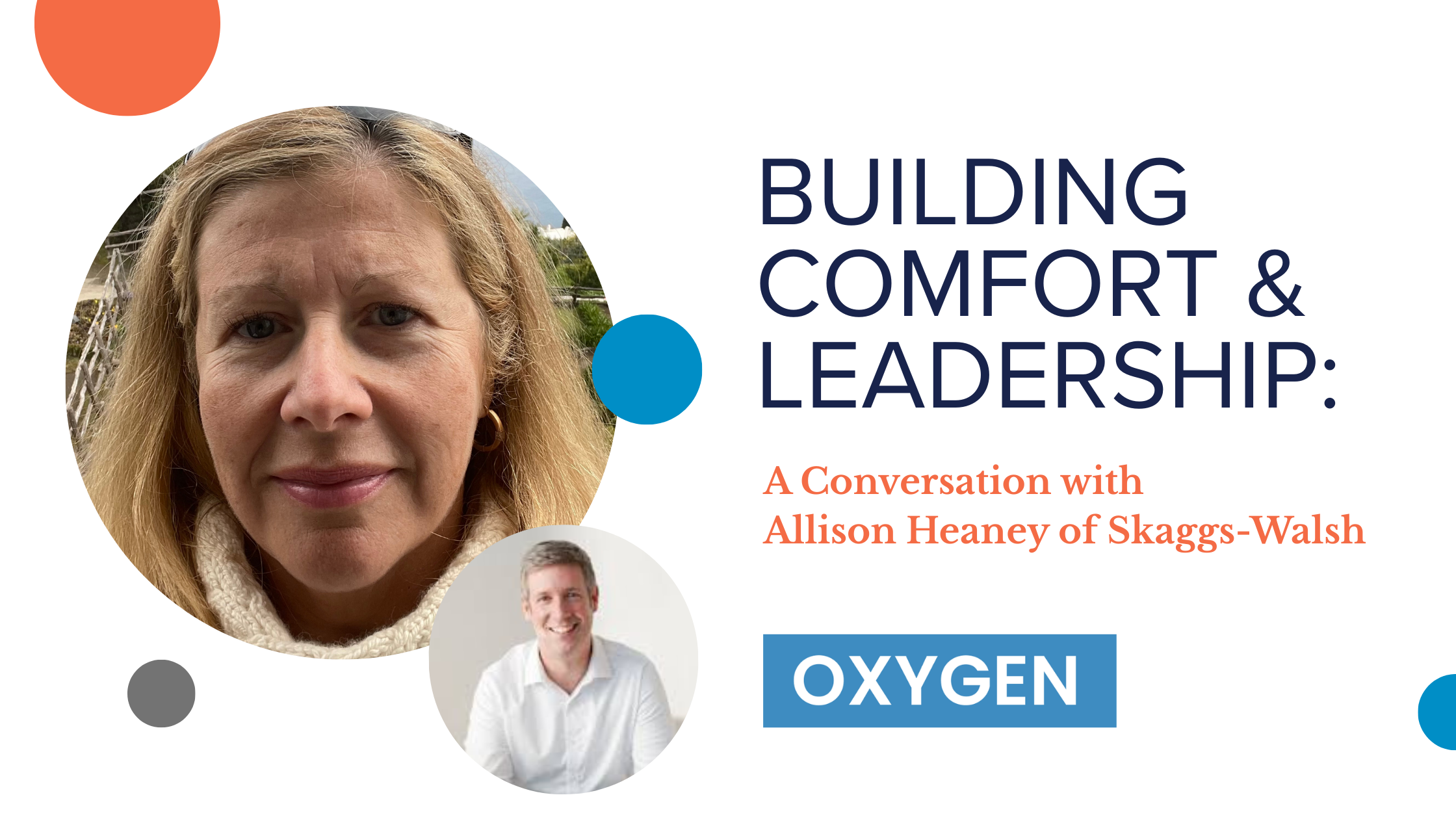
Why Manager Development Drives Long-Term Growth: A Conversation with Allison Heaney of Skaggs-Walsh
What does it take to grow a 90-year-old home services company without losing its culture? In this conversation, Nick Herinckx sits down with Allison Heaney, CEO and third-generation owner of Skaggs-Walsh, to explore how intentional manager development fuels sustainable growth. From expanding service lines to strengthening leadership bench strength, Heaney shares why investing in managers isn’t optional — it’s the foundation for long-term performance, accountability, and customer trust.
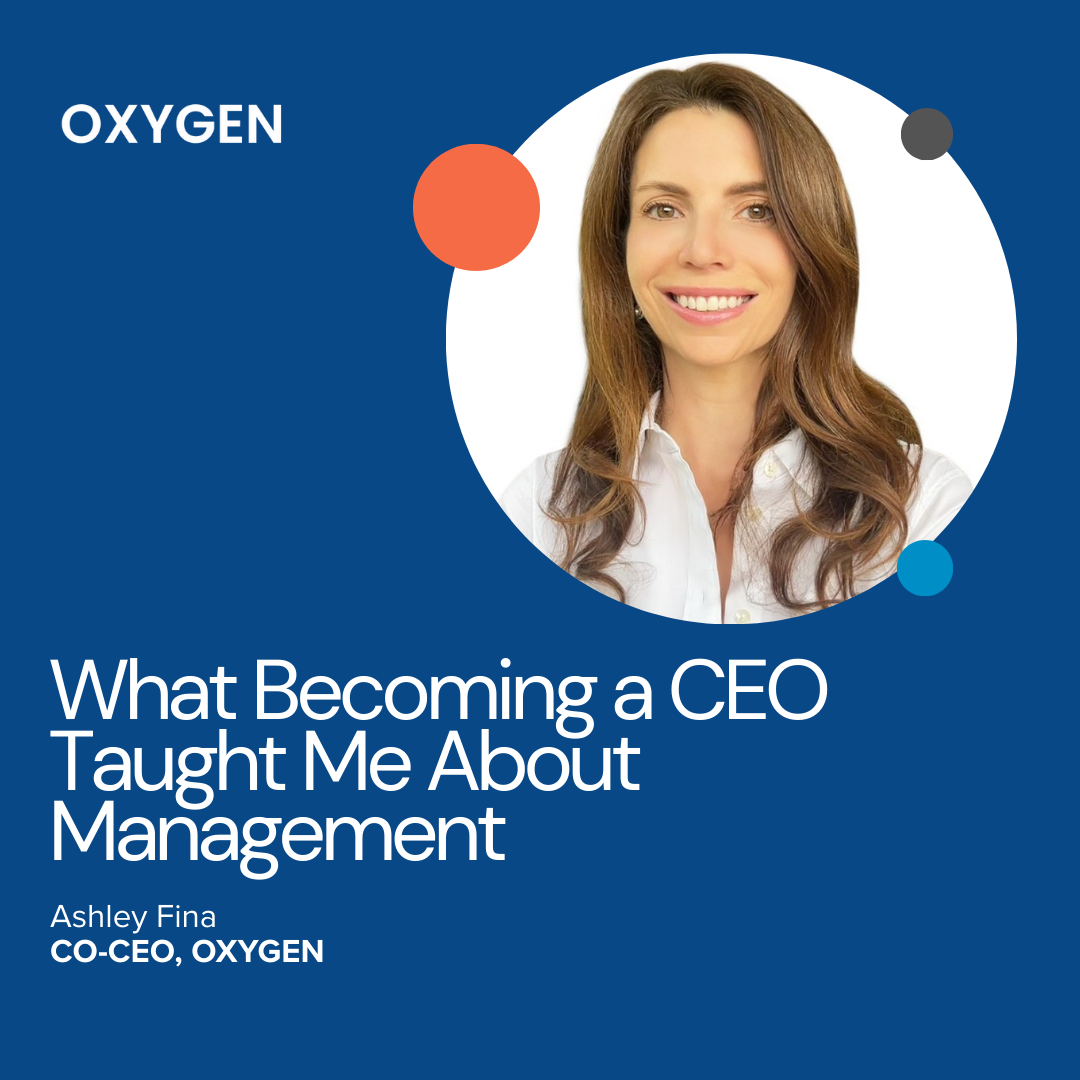
What Becoming a CEO Taught Me About Management
At 25, Ashley Fina became CEO in the middle of a financial crisis, with no formal training on how to lead people through uncertainty. What she learned the hard way is something most organizations still overlook: great performance doesn’t automatically translate into management readiness.
In this reflection, Ashley shares three lessons that reshaped how she thinks about leadership and culture. First, readiness matters more than raw talent—managers must be prepared to make decisions under pressure and lead with clarity when information is incomplete. Second, culture isn’t defined by values statements, but by what leaders tolerate, especially when results are on the line. And third, the “sacred pause” — the discipline to slow down and think critically — has become a competitive advantage in an AI-accelerated world.
For CEOs and founders navigating rapid change, this piece is a reminder: organizations don’t rise to their values under pressure. They default to what their managers are prepared to do.
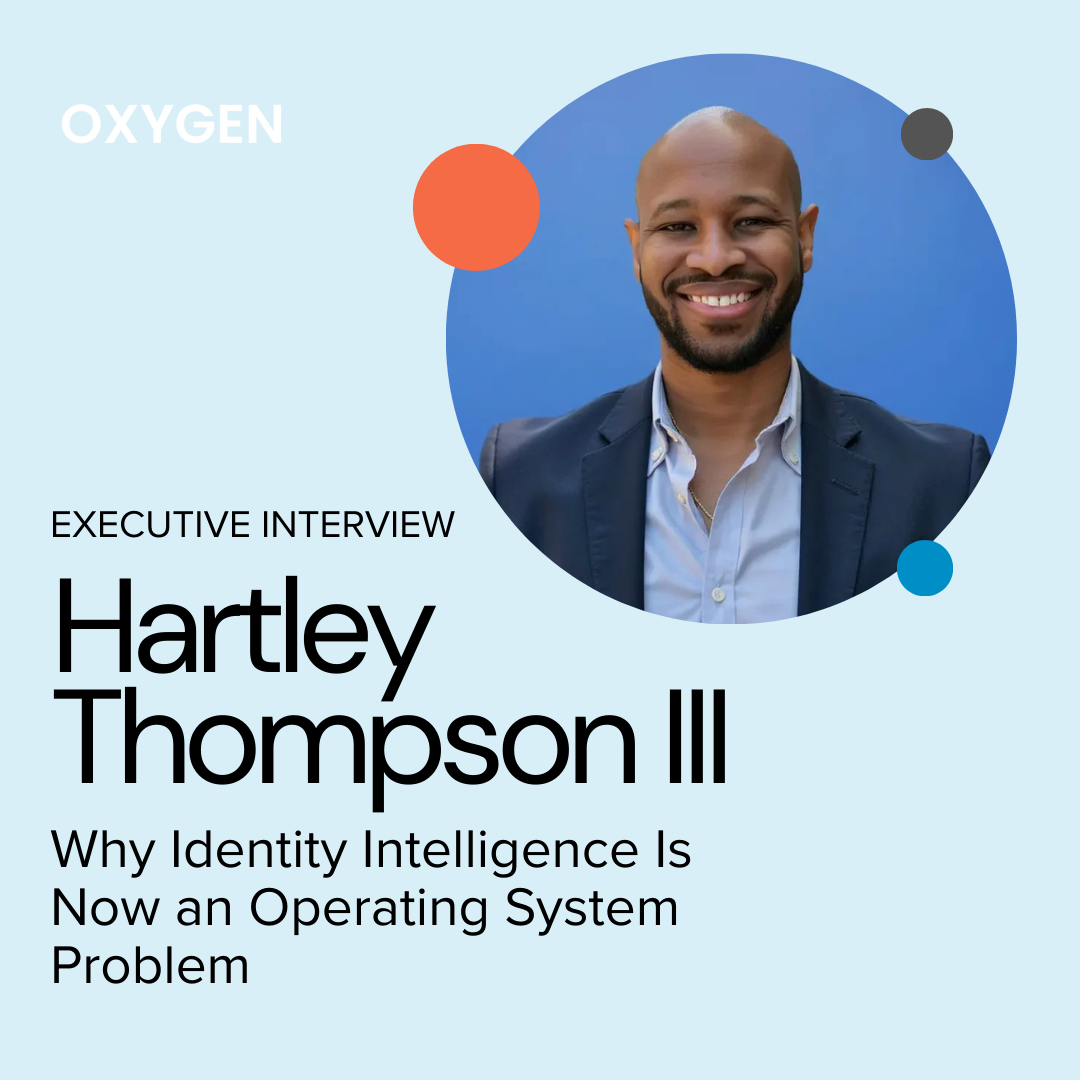
Executive Interview: Hartley Thompson III on Why Identity Intelligence Is Now an Operating System Problem
Ashley Fina sits down with Microblink CEO Hartley Thompson III to unpack “Know Your Actor” — the evolution of identity verification for an era of bots, AI agents, and automated workflows. Why identity intelligence is no longer a point-in-time check, but a shared control layer that teams must build into how systems (and organizations) operate.
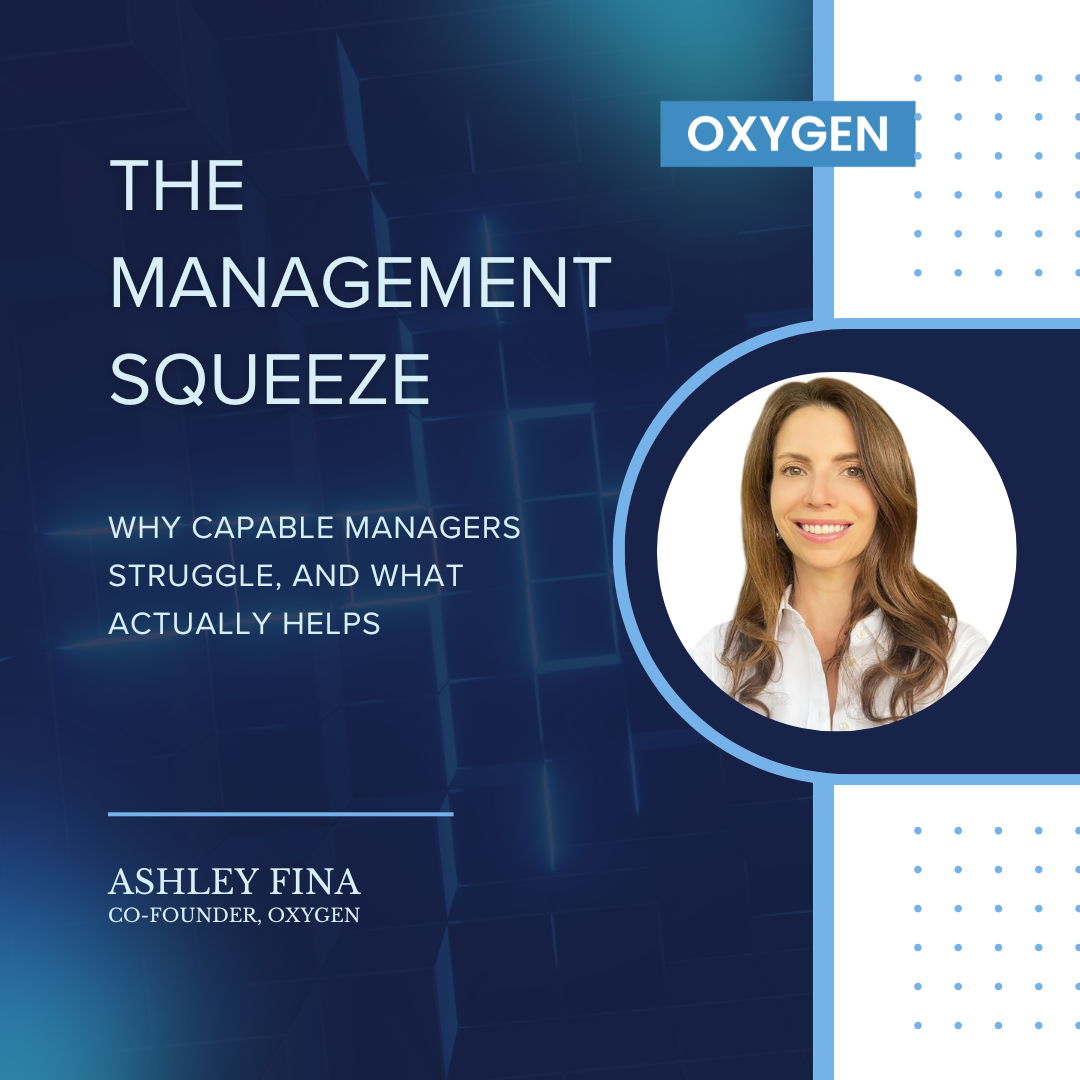
The Management Squeeze: Why Capable Managers Struggle, and What Actually Helps
Managers don’t get stuck because they lack effort or talent — they get stuck because they’re caught in the management squeeze. Pulled between team needs, leadership expectations, and business priorities, many managers are asked to navigate a role they were never trained for. This piece explores what’s really happening beneath the surface — and what actually helps managers move forward.