
The Oxygen Management Effectiveness Assessment
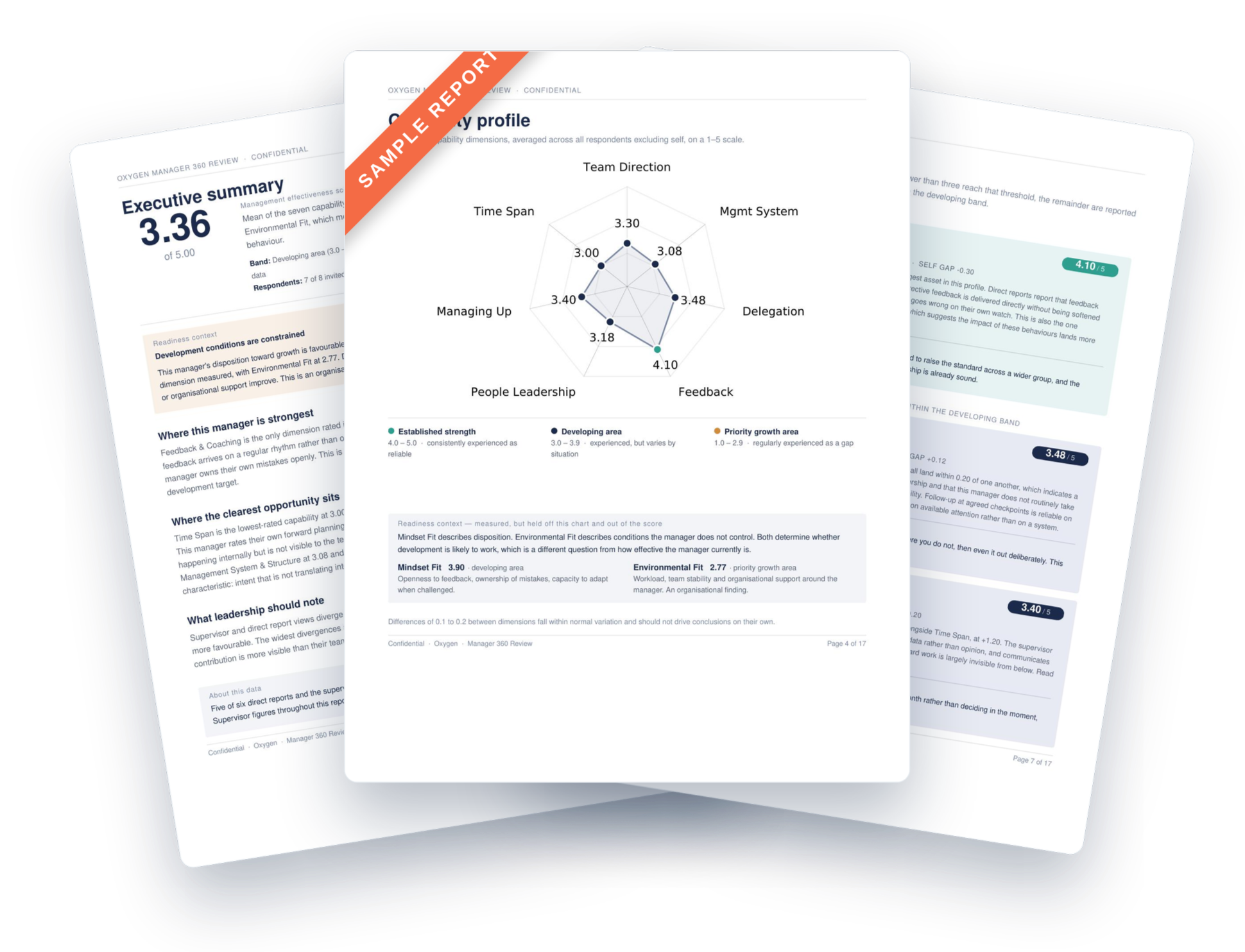
The first skills-based assessment that scores how well your managers actually manage, and shows you exactly where to grow them.
Management just became measurable.

The Model, Put to Work
You can measure almost everything except the thing that matters most.
You can see revenue, pipeline, and retention in real time. Ask how well your managers are managing, the biggest lever on all of it, and there's usually no real answer. Most companies have never had a reliable way to see whether 1:1s are happening, whether feedback is landing, or whether work is being delegated with clear ownership. Management is where team performance is won or lost, and it's the one capability most organizations have never actually measured.
Your engagement and culture surveys already tell you how your teams feel. What they can't tell you is why: whether your managers are actually managing. Management is what drives those numbers in the first place, and it's the one thing those surveys were never built to measure. The Management Effectiveness Assessment measures it directly, so you see the cause, not just the symptom.

“I could tell you which of my managers were struggling. I couldn’t tell you why, or what to do about it. That’s what changed.””
Beyond the Score
Three Things You Walk Away Knowing
A clear read on every manager
Exactly where each manager stands on management capability today.

Company-wide strengths and gaps
Specifically where to invest to grow each individual, not generic advice.

A plan on where
to focus
Where your management layer is strong across the board, and where the shared gaps are that hold teams back.

What Makes This Assessment Different
Most assessments were built to describe a person. This one was built to measure a practice. That difference runs through all of it: the behaviors it scores, the model behind the score, and an output that points you toward what to do next instead of something to file away.
A real score, not a personality profile
Most assessments in this space measure personality or self-perception. The MEA measures management: specific, observable behaviors that drive team performance, scored on a clear scale so you know exactly where each manager stands.
Individual and company-wide in one view
Every manager gets an individual read. Leadership gets a snapshot of the entire management layer, so you can see capability the way you already see your other core metrics.
A score you can trust
Every manager is scored against the same defined model, so results stay consistent and comparable across your whole team. It's a rigorous, structured measure you can stand behind, with clear insights layered on top to show you what the numbers mean.

Built to grow people, not grade them

The output isn't a verdict. It's a clear set of recommendations on where to invest in each manager, and a baseline you can measure against over time.
Behind the Score:
The Oxygen Management Impact Model™
The assessment runs on the Oxygen Management Impact Model™: nine dimensions of real, learnable management behavior. Every dimension is something a manager can build and you can observe; it’s the same framework behind Management Essentials, built on decades of combined management experience and hundreds of hours of research, refined across every Management Essentials cohort.
Team Direction & Alignment
Communicating mission, translating priorities into goals, and keeping the team oriented on what matters.

Management System & Structure
Consistent operating rhythms: meeting cadence, follow-through, and communication that prevents surprises.

Delegation & Accountability
Assigning work with clear outcomes, following up without micromanaging, and holding people to standards fairly.
People Leadership & Team Health
Building trust, resolving conflict early, developing strengths, and balancing care with accountability.

Feedback & Coaching
Regular feedback, coaching through questions, and handling difficult conversations promptly.

Managing Up & Org Navigation
Aligning with leadership, escalating risk early, and protecting the team's focus.


Time Span
The planning horizon a manager works within, and accountability for longer-term outcomes. Some managers operate week to week; the best are already building what the team needs three quarters out, and it's the dimension almost no other model measures.
Mindset Fit
Openness to feedback, willingness to own mistakes, and capacity to adapt when challenged.

Environmental Fit
Whether workload, stability, and support give the manager room to lead and grow.

How it Works
Launch the Assessment
Each manager, their direct reports, and their supervisor complete a short survey. You get about 15 business days, with reminders built in.
Get the Reports
Each manager gets a confidential individual report. Leadership gets a company-wide view of the whole management layer.
We Score It
Every manager is scored against the same defined model, so results stay consistent. Insights are layered on top to surface trends and patterns across the responses.
Act, Then Measure Again
Every report comes with clear priorities and recommendations. Re-run it after development to see exactly what moved.
Two Reports from One Assessment
You’re already balancing a lot. That’s why Oxygen is designed to work with your schedule — and actually move the needle.

Individual report (for managers)
A per-manager view: overall score, top strengths, development priorities, how self-perception compares to how others experience them, and a recommended path for what to focus on next.
Practical tools, frameworks, and strategies you can apply immediately — not just theory. Plus, Oxygen’s Learning Labs allow you to practice with real-time feedback and coaching.

Company-wide report (for leadership)
The management layer at a glance: company score and distribution, organizational strengths and gaps, perception and alignment patterns, and strategic recommendations on where to focus first.
Your report doesn't sit on a shelf.
Each manager can bring their results into Toby, Oxygen's AI course companion, so the guidance they get is grounded in their own data and context. It's how the assessment turns into day-to-day growth, not just a snapshot.

Proven with Clients
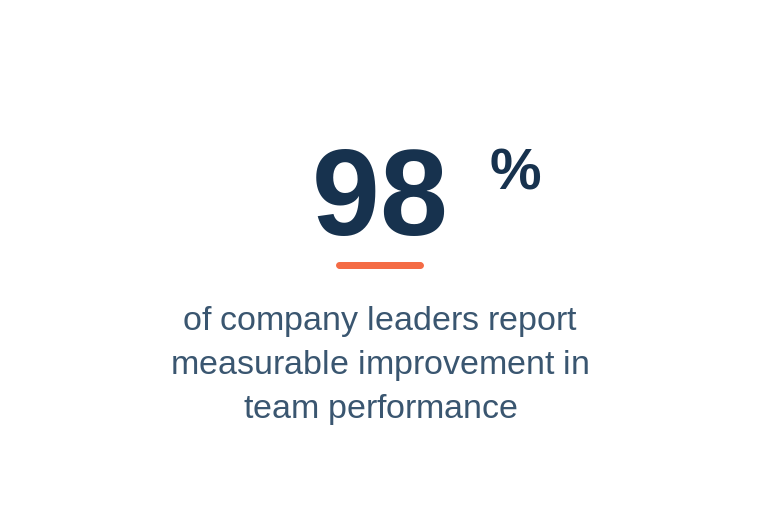
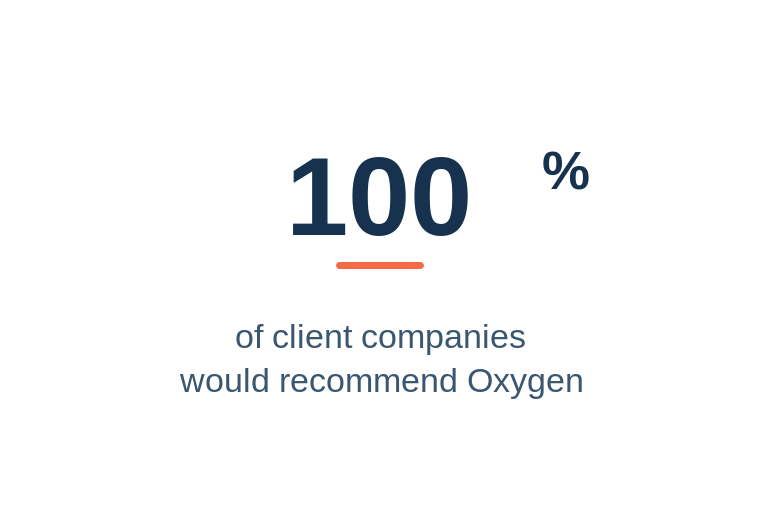
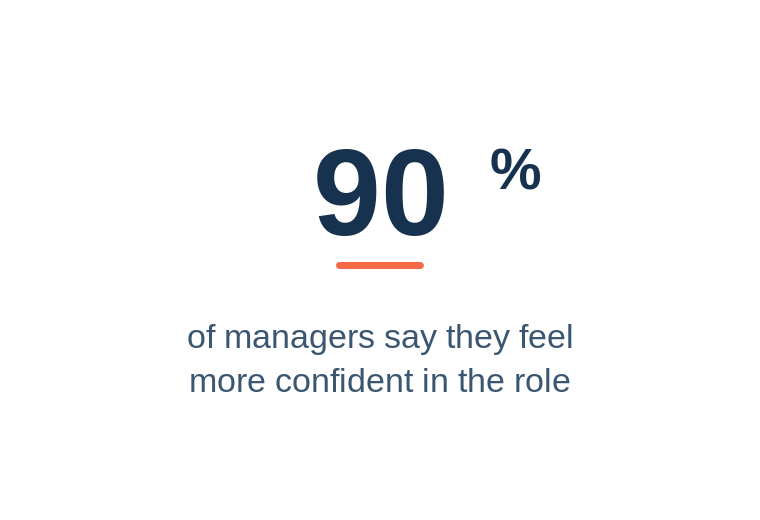
FAQs
-
The manager, their direct reports, and their supervisor. Pulling from several vantage points, rather than the manager's own view alone, is what makes the score credible. The sample report is built from five respondents: the manager, their supervisor, and three direct reports.
-
The survey itself takes about 15 minutes. Plan on roughly 15 business days from launch to close, with reminders built in to drive completion.
-
Every manager is rated on the same nine dimensions by the same defined model, so the numbers are consistent and comparable across your team. The overall score is a straight average of those dimension scores as rated by others, excluding the manager's own ratings. Scores are formula-driven. AI is used to write the narrative interpretation, and it never overrides the calculated scores or classifications.
-
Each individual report is confidential to the named manager and authorized company leadership. Leadership also receives a company-wide view of the management layer. Individual survey responses are never shown to anyone, including the manager.
-
No. The output isn't a rating for a compensation or promotion decision, it's a read on management capability with specific priorities attached. It can also come back saying that conditions aren't right for development investment yet, which is a statement about the current moment and not a judgment on the person.
-
No. The MEA is included with every Oxygen cohort as a before-and-after measure, and it's available on its own if you want a read on your management layer before deciding what to invest in. Plenty of leaders start with the assessment and use the results to decide where a program is worth it.
-
Yes, and that's the point. These are behaviors, not traits, so they move with practice and feedback. Mindset Fit is usually the best predictor of how quickly: managers who treat hard feedback as information tend to compound month over month, while the ones who treat it as an attack tend to stall.
-
At minimum before and after a development program, so you can see what moved. Many leaders run it on a regular cadence to track the management layer over time.
Stop guessing how good your
managers are.
See where every manager stands, and where to focus next. Book a walkthrough and we'll show you a real report.