
The Oxygen Management Impact Model™
What actually makes a manager effective?
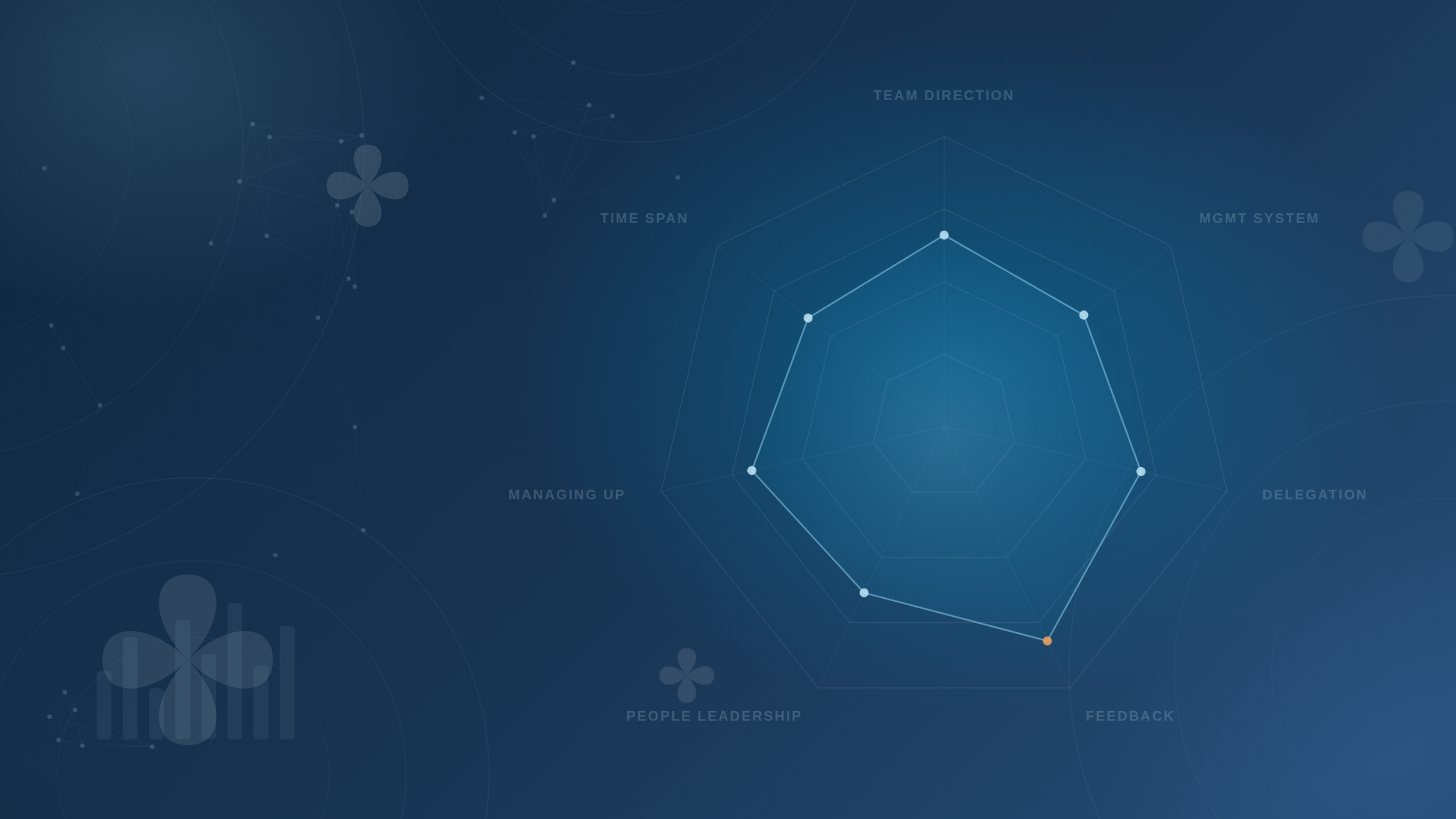
The Oxygen Management Impact Model is our answer: seven capability dimensions that define how well a manager actually manages, plus two readiness dimensions that show whether they're set up to grow. It's the foundation of every Management Essentials cohort, and what the Management Effectiveness Assessment measures.
The Model, Put to Work
The Management Effectiveness Assessment
We don't only use the Impact Model to develop managers. We also use it to measure them.
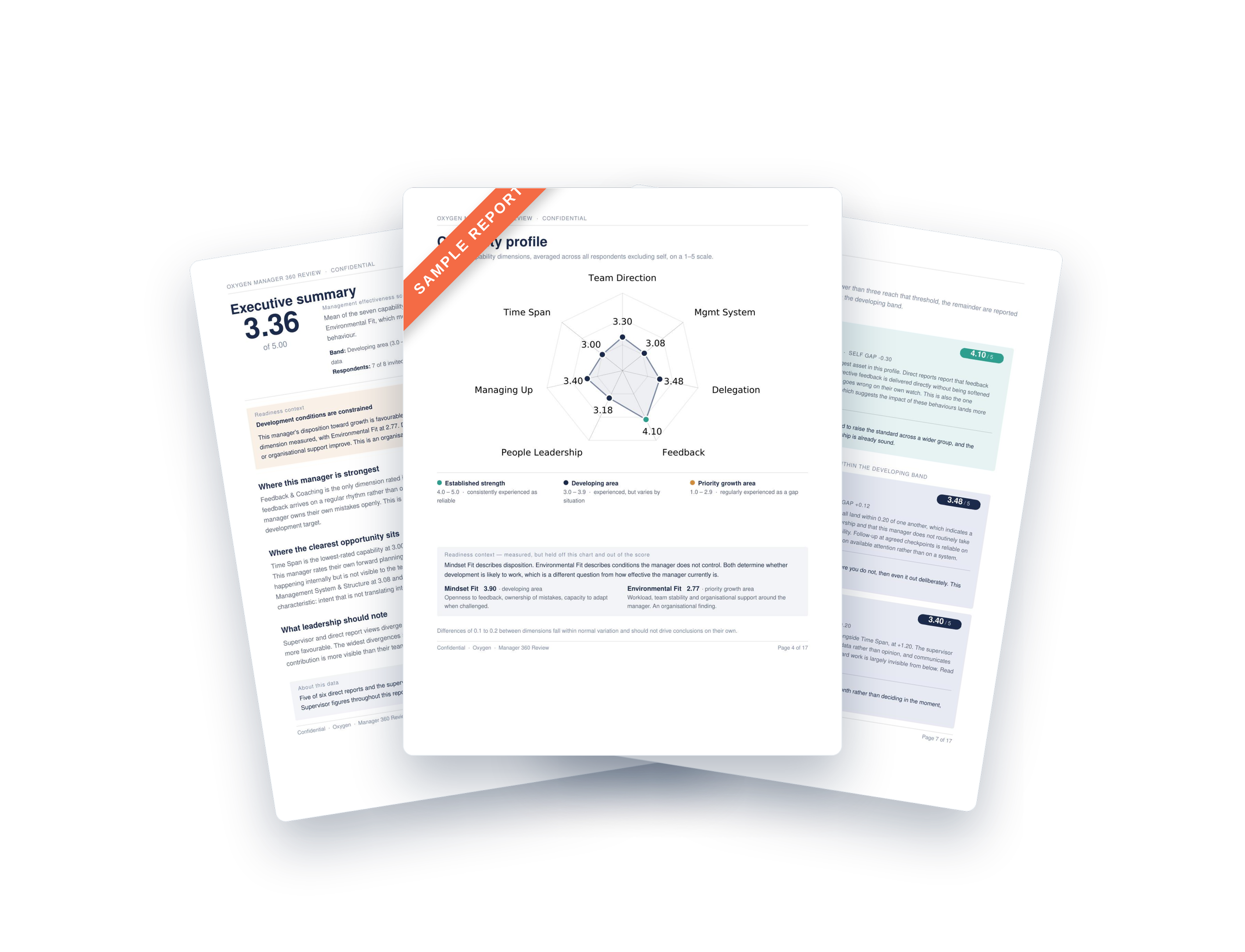
The Management Effectiveness Assessment scores your managers on the seven capability dimensions and reports the two readiness dimensions alongside, so you can see exactly where each one stands. It lives on its own page.
Top companies trust Oxygen


Management is a Skill
Good management is more than a good vibe.
When morale is high, a weak manager can look just as good as a strong one.
It's why management is so easy to misread: a good vibe, an engaged team, a strong culture score can all mask what's actually happening between a manager and the people they manage.
Good management isn't a mood. It's a set of specific, learnable behaviors, the same behaviors whether the quarter is up or down. That's the premise the Impact Model is built on: name those behaviors, and management stops being a feeling you sense and becomes something you can see, develop, and measure.
“A great culture can mask a weak manager. Feeling good about your team and knowing your managers are actually good at the job are two different things, and most companies only ever measure the first.”
-Nick Herinckx, Co-CEO of Oxygen
A model of what great management actually takes.
This is the model everything Oxygen is built on. It defines good management for our Management Essentials training, shapes every coaching conversation, and is what the Management Effectiveness Assessment measures. Nine dimensions in all: seven capability dimensions that make up how well a manager manages, and two readiness dimensions, reported separately, because a manager's mindset and the conditions around them decide whether development actually holds as the company scales.
Leadership is an identity. Management is a practice: the real work of feedback, delegation, and accountability. Oxygen makes people good at it.
Behind the Score:
The Oxygen Management Impact Model™
The assessment runs on the Oxygen Management Impact Model™: nine dimensions of real, learnable management behavior. Every dimension is something a manager can build and you can observe; it’s the same framework behind Management Essentials, built on decades of combined management experience and hundreds of hours of research, refined across every Management Essentials cohort.
Team Direction & Alignment
Communicating mission, translating priorities into goals, and keeping the team oriented on what matters.

Management System & Structure
Consistent operating rhythms: meeting cadence, follow-through, and communication that prevents surprises.

Delegation & Accountability
Assigning work with clear outcomes, following up without micromanaging, and holding people to standards fairly.
People Leadership & Team Health
Building trust, resolving conflict early, developing strengths, and balancing care with accountability.

Feedback & Coaching
Regular feedback, coaching through questions, and handling difficult conversations promptly.

Managing Up & Org Navigation
Aligning with leadership, escalating risk early, and protecting the team's focus.


Time Span
The planning horizon a manager works within, and accountability for longer-term outcomes. Some managers operate week to week; the best are already building what the team needs three quarters out, and it's the dimension almost no other model measures.
Mindset Fit
Openness to feedback, willingness to own mistakes, and capacity to adapt when challenged.

Environmental Fit
Whether workload, stability, and support give the manager room to lead and grow.

Beyond the Score
What a single score can't show.
The assessment reads three perspectives at once: the manager, their team, and their supervisor, and it weighs whether the conditions are even set up for growth.
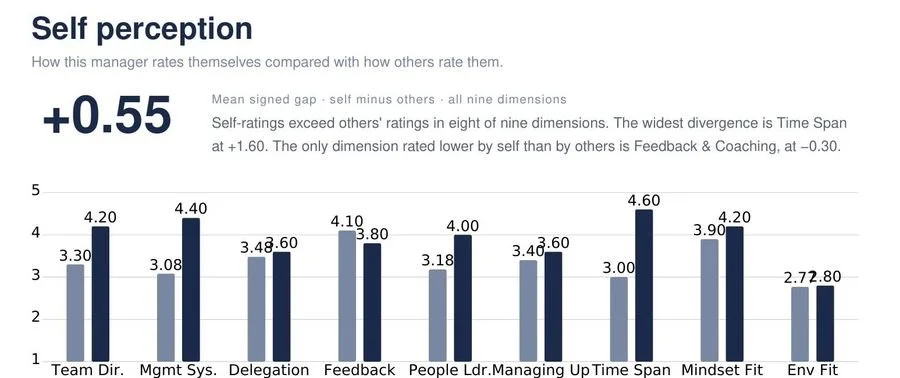
How each manager sees themselves against how their team actually experiences them. That gap is usually the fastest thing to move, and the best place to start a development conversation.

The Self Awareness Gap
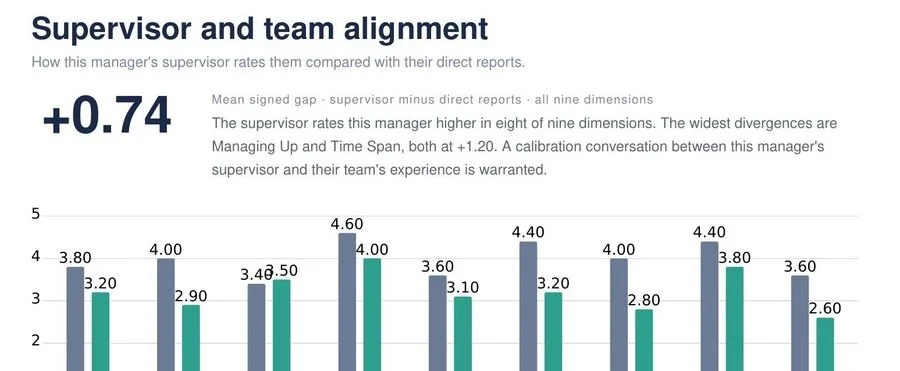
Whether a manager's own leadership sees them the way their team does, and where the two views pull apart. The widest gaps are often the most useful conversation of all.

Supervisor Alignment
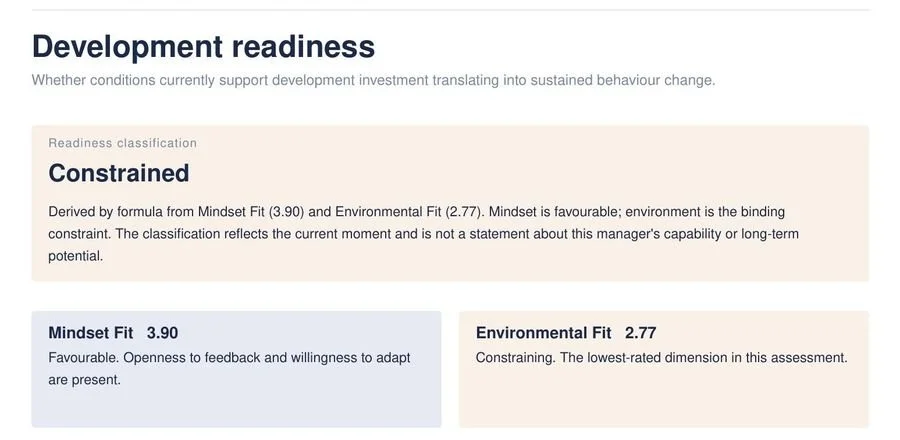
A readiness check, not just a score
The readiness dimensions ask a different question: not how well someone manages today, but whether they're set up to grow. When conditions are too constrained, the model says so before you invest.
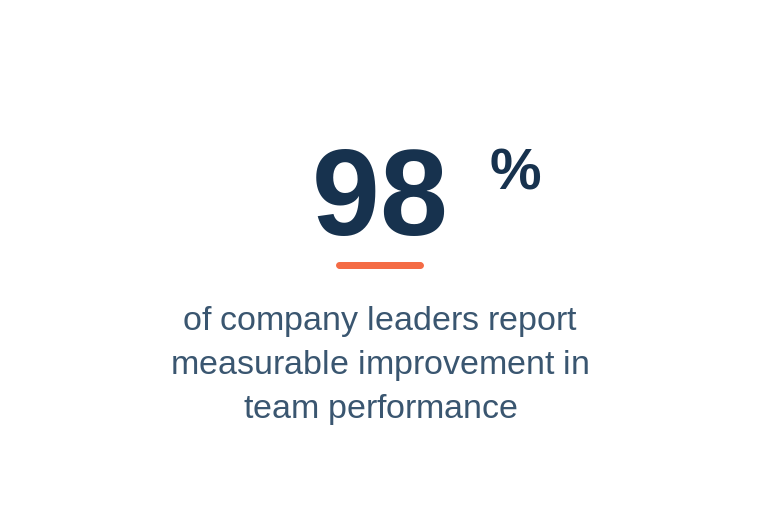
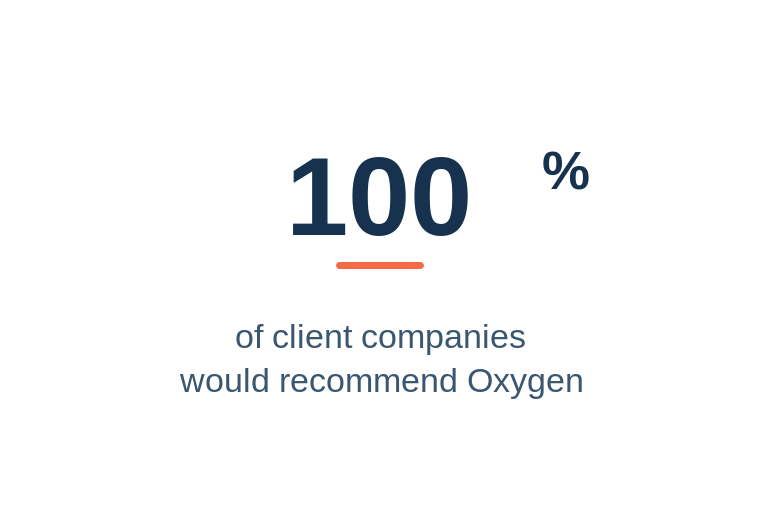
Proven with Clients
FAQs
-
It's how we define good management. The Oxygen Management Impact Model™ is nine dimensions of real, learnable behavior, from how a manager sets direction to how far ahead they think. It's been the framework behind Management Essentials from day one, and it's what we use to develop managers and to measure them.
-
Six of them are the core skills of managing: direction, systems, delegation, feedback, people leadership, and managing up. The other three are the ones most models miss: how far ahead a manager thinks, whether their environment gives them room to lead, and whether they take feedback and change. Together they show you the whole manager, not a snapshot of a good week.
-
No. Personality tells you how someone is wired, not how they manage. Every dimension in the model is a behavior you can see in how a manager actually works, which means it's something they can build. A manager isn't a fixed type, they're a trajectory.
-
It came out of the work. We built Management Essentials around these dimensions and have refined them across years of cohorts, informed by research on what actually predicts effectiveness: Gallup's finding that 70% of the variance in team engagement traces back to the manager, Google's Project Oxygen work on coaching behaviors, and Elliott Jaques' research on planning horizon.
-
It's the planning horizon a manager naturally works within. Some managers live at the end of the week. Others are already building what the team will need three quarters out. It rests on Elliott Jaques' research on the "time span of discretion": the further out someone can work without supervision, the bigger the role they can hold.
-
Because a great manager in a broken environment looks exactly like a bad one. Environmental Fit asks whether workload, team stability, and support give a manager real room to lead. It's the dimension that separates a manager problem from a conditions problem, and knowing which one you're looking at changes how you fix it.
-
Yes, and that's the point. These are behaviors, not traits, so they move with practice and feedback. Mindset Fit is usually the best predictor of how quickly: managers who treat hard feedback as information tend to compound month over month, while the ones who treat it as an attack tend to stall.
-
The Management Effectiveness Assessment scores your managers across these same nine dimensions, using input from the manager, their direct reports, and their supervisor. You'll see where each manager is strong, where the gaps are, and what to work on first.
Get to know the model.
Explore the nine dimensions of effective management, and see how each one shows up in how a manager actually works.